
Battlefield Management System "HEKTOR"
The “HEKTOR” Battle Management System (BMS) application is a fully mobile command system (operating both while moving and while stationary) installed primarily on command vehicles (or staff terminals). It creates a wide data-exchange network operating at every command level of the ZT. It is intended for functional personnel of command cells (commander, chief of staff, etc.) to provide them with the ability to command forces and freely move within the area of operations. It enables situational awareness on the battlefield. It also allows displaying the positions of own forces and the enemy on a digital map.
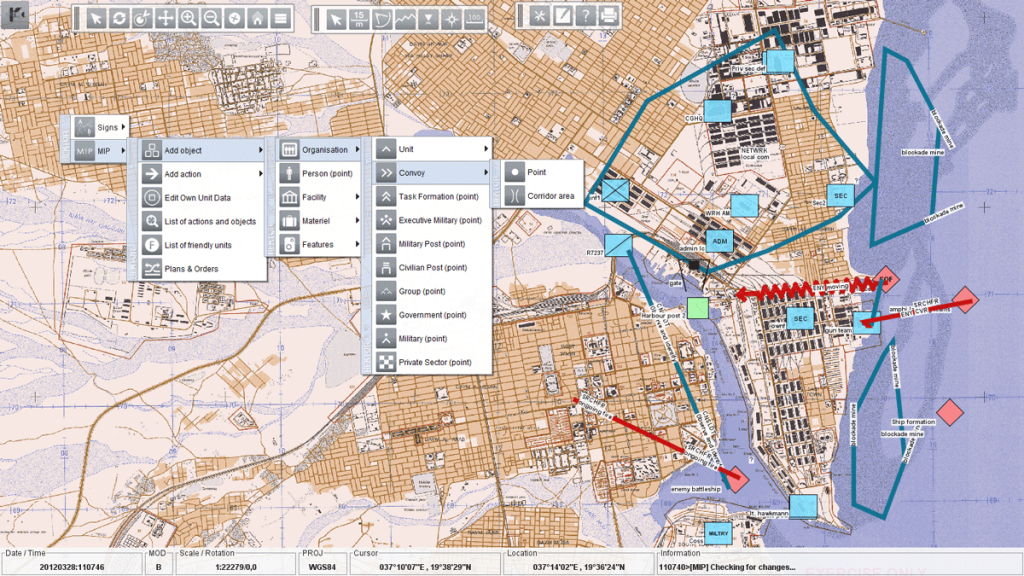
display of digital maps and the current tactical situation |
execution of command functions at all tactical echelons |
IP platform |
integration of media: radio (VHF, UHF, DS), wired communication, and satellite communication |
integration of services (IP-based, VoIP H.323) |
full interoperability with NATO: MIP interface (DEM, MEM, AdatP-3), LC2IEDM data model |
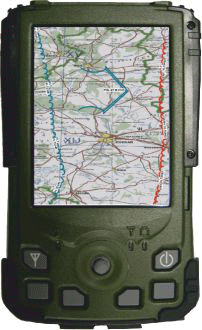
for implementation on every means of transport and on staff terminals |
open system architecture: cooperation with all standardized IT systems |
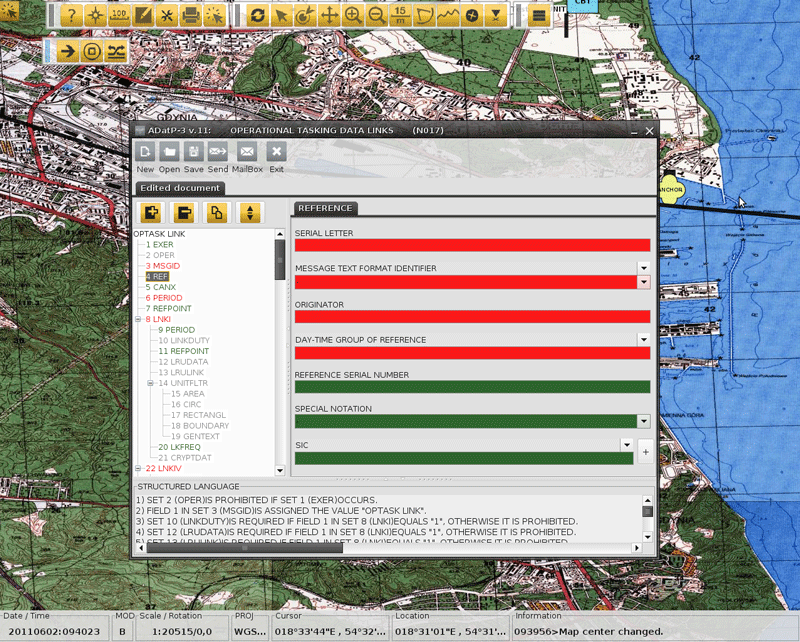
hierarchical nature
local and remote configuration of the system—for example, foreign missions
system monitoring
use of all available communication media
KF/VHF radio links between subscribers of digital and analogue telecommunications networks
connections with subscribers of the JRS (Jednokanałowego Radiodostępu Simpleksowego) and WRS (Wielokanałowego Radiodostępu Simpleksowego) UKF subsystems
voice communications and data exchange between wired subscribers (STORCZYK, ISDN, H.323) and radio subscribers on HF and VHF.
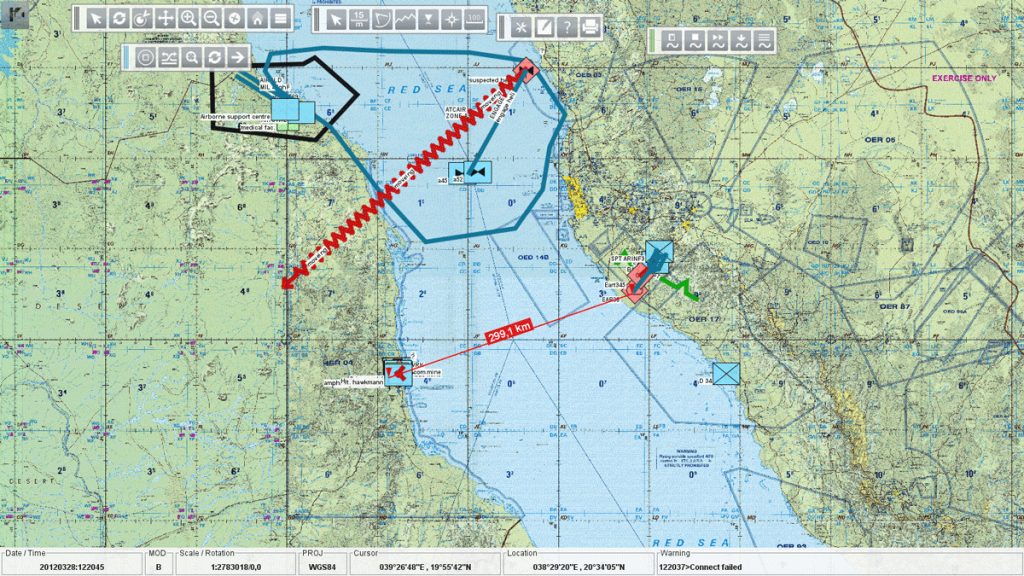
the individual command vehicles of a combat formation are communication nodes that automatically retransmit information from the sender to the recipient (over all media) |
automatic data exchange: searching for message delivery routes across all communication media |
implementation of MEM and DEM mechanisms of the MIP program |
raster map
terrain elevation model
vector digital maps
a formalized command language
graphical depiction of the combat situation on a map
document format - command document templates
data transmission in radio networks
maritime maps standard
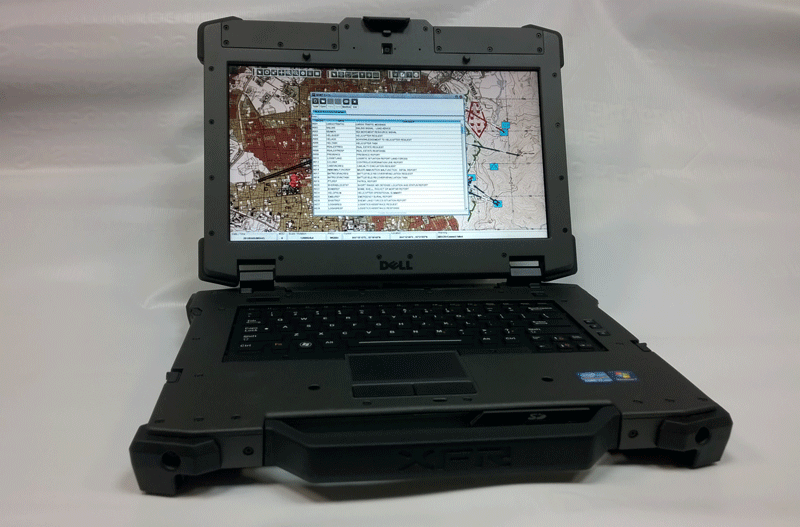
a unified, scalable hardware solution from combat vehicles to staff vehicles
Automated Workstations for Functional Personnel
integration of all communications media - priority given to radio (emphasis on mobility)
integration of all communications media - priority given to radio (emphasis on mobility)
individual wireless communication for the vehicle crew (dismounted team)
automatic control and management of all ZWD communications media
individual wireless communication for the vehicle crew
Notification and signaling of hazardous states originating from sensors: carbon monoxide (CO) sensor, smoke (DYM), contamination with chemical agents (CHEM), radioactive contamination (RAD), and a system for signaling laser irradiation (SOL-1)